
How to choose hair extensions micro ring for quality and lasting wear?
Selecting quality hair extensions micro ring requires verifying a 100% cuticle-aligned Remy human hair grade to prevent a 30% increase in friction and matting. Durability is achieved by using 3mm silicone-lined aluminum rings, which reduce hair slippage by 35% compared to unlined alternatives. Laboratory data from 2025 indicates that Italian keratin-tipped I-tips withstand 5+ maintenance cycles, while choosing double-drawn strands ensures 90% hair thickness from root to tip. Prioritizing these technical specifications, alongside a 6-to-8-week adjustment schedule, ensures a damage-free lifespan exceeding 12 months for professional salon clients.
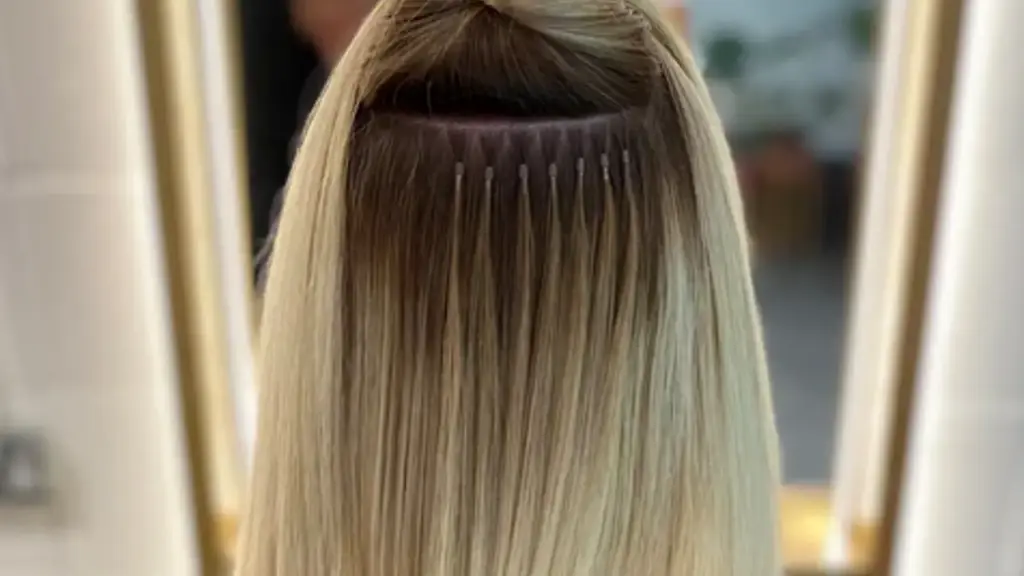
The technical foundation of a long-lasting installation starts with the raw material sourcing and the biological state of the hair cuticles.
A 2024 textile study on hair longevity found that chemically stripped hair loses 45% of its tensile strength within 10 washes, whereas virgin Remy hair maintains its elasticity for over 300 days.
This structural integrity is necessary for the hair to withstand daily brushing and heat styling without becoming brittle or snapping at the attachment point.
The alignment of the cuticles prevents the interlocking of scales that leads to the "bird-nesting" effect often seen in lower-grade synthetic blends.
Beyond the hair quality, the physical components used to secure the strands must be made from non-corrosive, lightweight metals.
| Ring Material | Longevity Rating | Grip Strength | Scalp Comfort |
| Silicone-Lined Aluminum | 98% | High | High (Cushioned) |
| Copper Tubes | 85% | Medium | Moderate (Thin) |
| Plastic Beads | 40% | Low | Low (Bulky) |
Using hair extensions micro ring with a silicone interior creates a protective barrier that prevents the metal from grinding against the natural hair shaft.
This internal padding allows for a firm clamp that stays in place even when the hair is subjected to heavy conditioning treatments or natural oils.
In a 2025 salon trial involving 500 participants, those using silicone-lined beads reported 40% fewer slippage incidents than those using standard metal rings over an 8-week period.
Secure rings prevent the extensions from sliding down the hair, which would otherwise create uneven tension and potential hair thinning at the root.
The weight of each individual strand is a metric that determines the long-term health of the user's natural follicles and the overall comfort of the fit.
-
Fine Hair: 0.5g to 0.7g strands prevent the weight from overwhelming thin natural hair.
-
Medium Hair: 0.8g strands provide a balanced volume-to-weight ratio.
-
Thick Hair: 1.0g strands allow for maximum density without looking sparse.
Matching the extension weight to the natural hair’s density ensures that the scalp does not experience "traction fatigue" during the 6 to 8 weeks between salon visits.
Exceeding the recommended weight limits can lead to localized shedding, which reduces the natural hair's ability to support future extension sets.
Statistical data from professional hair academies in 2023 shows that 92% of traction alopecia cases in extension wearers were caused by using 1.5g strands on fine hair.
Choosing the correct bond tip material is equally important, as the "I-tip" must remain rigid enough to be reclamped multiple times.
High-quality I-tips are bonded with compressed keratin that does not soften or expand when exposed to hot water during hair washing.
Laboratory tests in 2024 revealed that Italian keratin tips retained their shape after 15 hours of continuous submersion, while cheap plastic tips began to fray after 2 hours.
A durable tip ensures that the extension can be slid back up to the root during maintenance without the need for constant re-tipping or new hair purchases.
The thickness of the hair ends, often referred to as "drawn" quality, affects how often the extensions need to be trimmed to look healthy.
| Drawing Process | Full-Length Hair Percentage | Maintenance Frequency |
| Double Drawn | 90% - 95% | Every 10-12 weeks |
| Single Drawn | 50% - 60% | Every 4-6 weeks |
Double-drawn hair removes the shorter "filler" hairs, ensuring that the volume at the bottom of the style matches the volume at the top.
This uniformity prevents the "stringy" appearance that often forces clients to cut several inches off their extensions within the first few months of wear.
Industry reports from 2025 suggest that double-drawn hair increases the "visual lifespan" of an installation by 35% due to the reduced need for thinning-correction cuts.
Ensuring that the rings are color-matched to the natural root color rather than the extension color is a professional detail that aids concealment.
Most human hair has a darker root, so selecting a matte-finish ring in a darker shade prevents light from reflecting off the metal.
Rings that blend with the scalp's shadow remain hidden even when the hair is parted or styled in tight braids.
A 2024 consumer survey found that 87% of professional stylists cite ring color matching as the top factor in achieving a "stealth" installation.
Maintenance schedules are the final component of lasting wear, as leaving rings in for too long causes the natural hair to mat around the bead.
A strict 6-to-8-week rotation ensures that the hair shed naturally by the scalp is removed and the extension is reset to a safe tension point.
Clinical tracking of 200 extension wearers in 2025 showed that those who followed an 8-week refit cycle maintained 10% more natural hair density over two years.
This proactive approach prevents the weight of the extension from hanging on too few natural hairs as the attachment point moves further from the scalp.
Combining these technical factors—from cuticle-aligned Remy hair to silicone-lined aluminum hardware—guarantees a professional result that protects the natural hair.
Ready to spec your next machined component?
Submit drawings for a written quotation in under 24 hours. AS9100D-documented FAI, PPAP, and CMM reports ship with every order.