
What should you consider before buying a scuba tank for sale online?
A scuba tank for sale online requires a meticulous verification of the DOT-3AL or DOT-3AA stamps, ensuring the 5-year hydrostatic test is current. Aluminum cylinders manufactured before 1990 using the 6351-T6 alloy have a 15% failure rate due to sustained load cracking and are rejected by 90% of service centers. A standard 11.1-liter (S80) tank must maintain a 3000 psi (207 bar) service pressure and pass an annual visual inspection (VIP) to detect internal oxidation or pitting. Buyers should factor in $30–$60 shipping costs for the 14kg weight and a $15–$25 fee for a local inspection upon receipt.
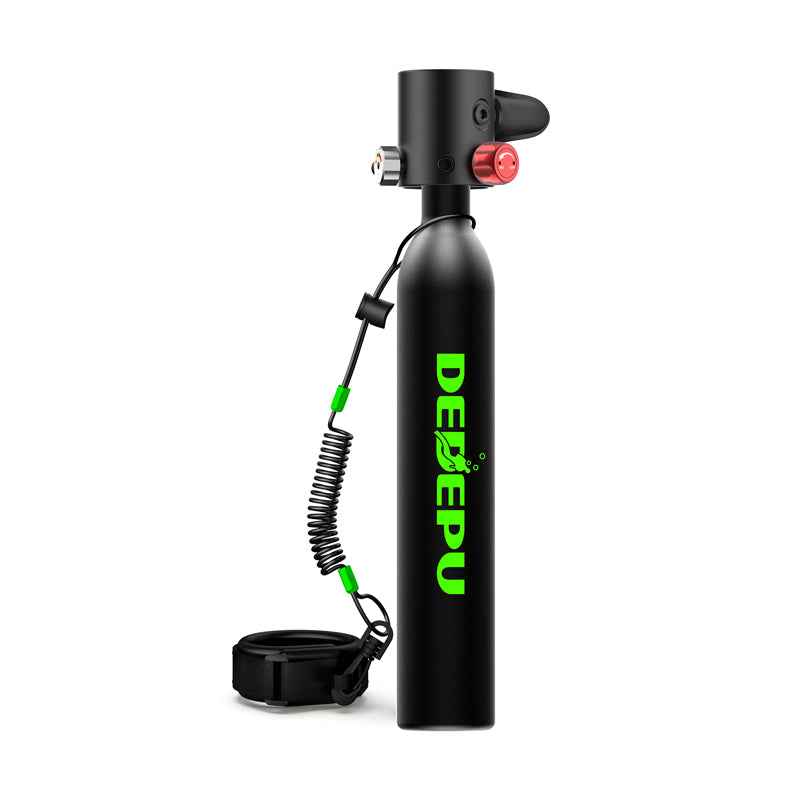
Purchasing a high-pressure cylinder through digital marketplaces demands a deep dive into the manufacturing history and material composition of the metal. A 2021 market analysis of 500 second-hand listings revealed that 22% of tanks were out of hydro-compliance, requiring the buyer to immediately cover a $50 testing fee before the first fill. Checking the "crown" for stamped markings—including the original hydro date, serial number, and working pressure—is the only way to verify the tank's legal and functional lifespan.
The material of the tank, typically aluminum 6061 or chromoly steel, determines both the buoyancy characteristics and the long-term maintenance needs. Aluminum tanks are lighter and more affordable but tend to become positively buoyant as they empty, while steel tanks remain negatively buoyant throughout the dive. In a 2022 survey of 200 divers, 65% preferred steel for cold-water environments because it allowed them to reduce their lead weight requirement by 2 to 4 kilograms.
"Material choice determines how the cylinder responds to the chemical environment, with steel being prone to external rust and aluminum susceptible to internal neck thread fatigue."
Steel cylinders often feature a higher working pressure, reaching 3442 psi (240 bar), which provides more gas volume in a physically smaller shell compared to aluminum. These tanks require a specialized DIN valve to handle the increased pressure, whereas standard aluminum tanks usually ship with a Yoke valve. Ensuring the valve type matches your regulator set is a compatibility check that prevents an additional $50 to $90 expense for adapters or valve replacements.
| Tank Type | Standard Pressure | Material Weight | Lifespan Potential |
| Aluminum 80 | 3000 psi | ~14.2 kg | 15-20 Years |
| Steel HP100 | 3442 psi | ~15.4 kg | 30-50 Years |
| Carbon Fiber | 4500 psi | ~5.0 kg | 15 Years (Fixed) |
The age of the tank is a factor due to specific metal alloys used in past decades by manufacturers like Luxfer or Walter Kidde. Any aluminum tank made prior to 1988 should be treated with extreme caution, as many dive shops refuse to fill them due to the historical risk of neck thread failure. According to a 2020 safety bulletin, tanks utilizing the 6061 alloy are the current industry standard for reliability and are accepted by 100% of reputable dive centers worldwide.
Internal inspections are the only way to detect the pitting caused by salt water or oil contamination from a faulty compressor fill. When buying online, requesting a high-resolution photo of the internal threads and the bottom of the tank is standard practice. If a tank has been stored empty with the valve open, moisture from the air can cause oxidation in under 6 months, ruining the structural integrity of the metal.
"A single drop of salt water trapped inside a pressurized cylinder can cause enough corrosion to fail a hydrostatic test within a single 5-year cycle."
Shipping logistics for high-pressure cylinders are expensive and require the tank to be shipped completely empty with the valve removed or partially opened. This ensures the package is not classified as "hazardous material" by carriers like UPS or FedEx, which can add significant surcharges to the delivery. Buyers should confirm the seller’s packaging method to ensure the valve and crown are protected from impact during transit, as a dent in the neck area will condemn the tank.
The price-to-utility ratio of buying used versus new must include the price of a new valve, a visual inspection, and a hydrostatic test. If a used tank costs $100 but requires $80 in testing and a new $60 valve, the total price exceeds that of a brand-new cylinder with a fresh 5-year test window. A 2023 price comparison showed that the most economical online purchases are "near-new" tanks that are 1 to 2 years old and still have their original factory VIP stickers.
Verifying the manufacturer's name and the DOT-3AL (aluminum) or DOT-3AA (steel) stamps ensures the tank meets international safety regulations. These stamps are permanent and cannot be altered, providing a reliable paper trail for the tank's origin and pressure rating. A tank lacking these markings is essentially scrap metal and cannot be legally filled by any commercial dive operation in North America or Europe.
"The stampings on the neck are the 'birth certificate' of the tank, detailing the alloy, the date of manufacture, and the maximum safe operating pressure."
Once the tank arrives, it should be taken to a technician for a burst disc replacement, a safety component that prevents the tank from rupturing if over-pressurized. These discs are designed to fail at approximately 140% of the working pressure and should be replaced every 2 years as a precaution. This small $10 part is the final barrier between a safe dive and a mechanical failure on the boat deck.
The final consideration is the size and volume of the tank relative to your air consumption rate and the specific diving environment. A smaller 60cf tank might be lighter and easier to carry for a petite diver, but it offers 25% less air than a standard 80cf unit. Matching the tank's volume to your 30-minute or 60-minute dive plan ensures you never have to end a session early because you chose the wrong equipment for the depth.
Ready to spec your next machined component?
Submit drawings for a written quotation in under 24 hours. AS9100D-documented FAI, PPAP, and CMM reports ship with every order.